
Henry County Court serves as the foundation of the local court system and manages a wide range of legal matters across the county. It oversees criminal cases, civil disputes, family-related filings, and probate matters through an organized judicial structure. Each case filed within the court becomes part of the official record, creating a clear history of legal actions. These records reflect how the judicial system functions on a day-to-day basis. As a result, residents can see how laws are applied within Henry County.
Henry County court records document every stage of a case, from initial filing to final decision, supporting transparency within the court system. These records help explain timelines, rulings, and procedural steps used by the judicial system. Some records remain open for public viewing, while others stay limited due to privacy rules or court orders. This page explains what information is commonly available, what may be restricted, and why those limits exist. Readers will gain practical clarity on how court records support accountability and public trust.

How to Search Henry County Court Records
Searching Henry County court records can be done quickly online using either a case number or a party’s name. By following the correct steps, users can view dockets, filings, and other court documents efficiently.
Official Henry County Records Portal: URL: https://henrycountyga.gov/610/Locating-Records
Open the Tool
- Go to the official Henry County Magistrate Court search page using the link above.
- For Superior Court case number search: https://micropact.co.henry.ga.us/SuperiorCourtsCMWS/CMWebSearch/SearchByCaseNumber
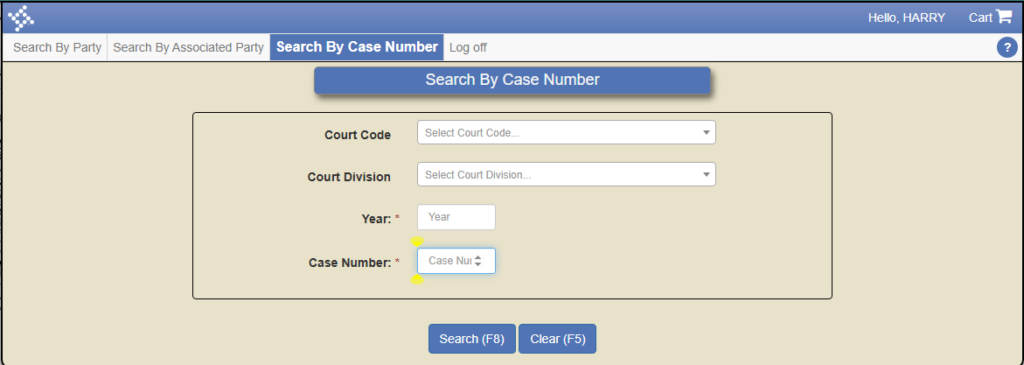
Choose Your Search Type
- Case Number: Enter the unique case number for a precise result.
- Party Name: Select “Search by Party Name” to look up cases without a case number.
Enter Required Details
- For Case Number: Input the exact number.
- For Name Search: Input last name and, if possible, first name. Optionally, select court type (civil, criminal, family, probate).
Filter Results
- Use filters for case type, year, or court division to narrow results.
- Check multiple results if more than one case matches the name.
View Case Information
- Click on a case to see docket entries, filings, and court dates.
- Some cases allow document download or viewing online.
Obtain Certified Copies
- For official/legal purposes, request certified copies through the Clerk of Superior Court.
- Fees and instructions are listed on the official Clerk’s page: https://henrycountyga.gov/265/Clerk-of-Superior-Court
What Are Henry County Court Records?
Henry County court records are official documents created and maintained by the county’s courts to track legal cases and administrative actions. These records provide factual information about court proceedings, case outcomes, and other judicial activities. Court records in Henry County serve as a reliable source for verifying legal matters, checking the status of cases, and confirming judicial actions. They include a variety of documents ranging from filings to rulings, making them an important resource for lawyers, researchers, and the general public.
Court records are formal documents generated during legal proceedings. They serve as an official account of a case, providing transparency and accountability within the judicial system. Each record reflects key actions, decisions, and filings associated with court cases.
These records typically document:
- Case initiation and filings
- Court orders and judgments
- Motions, petitions, and appeals
- Legal correspondence and notices
Types of Documents Included in Court Records
Henry County court records encompass a wide array of documents. Some of the main types include:
| Document Type | Description |
|---|---|
| Case Files | Records related to specific civil, criminal, probate, or family cases. |
| Judicial Documents | Orders, judgments, verdicts, and sentencing papers issued by the court. |
| Administrative Records | Internal court management documents such as calendars, dockets, and financial reports. |
| Public Records | Documents available for public inspection, including notices, filings, and summaries of hearings. |
Why Court Records Are Essential
Henry County court records provide legal verification and historical reference for cases and proceedings. They help:
- Confirm the outcomes of legal disputes
- Track the progress of ongoing cases
- Support research for lawyers, journalists, or scholars
- Maintain transparency in judicial processes
Henry County Judicial System
The Henry County judicial system is the framework of courts responsible for resolving legal disputes, enforcing laws, and maintaining public order within the county. It ensures that justice is administered fairly, efficiently, and according to state laws.
Henry County’s courts operate under legal authority granted by the state, and each level of the system plays a distinct role in handling civil, criminal, probate, and family matters. Understanding this structure helps residents, legal professionals, and researchers know where to direct cases or locate records.
Structure of the Henry County Court System
The Henry County court system is organized to manage cases effectively and provide access to justice for all citizens. The system typically includes:
- Trial Courts: These are the first level of courts where cases are initially filed and heard. They handle criminal cases, civil disputes, family law matters, and probate issues.
- Specialized Divisions: Some trial courts include divisions focused on juvenile matters, small claims, traffic offenses, or domestic relations.
- Administrative Offices: These offices support the functioning of courts, manage dockets, and maintain official records.
Role of Trial Courts
Trial courts in Henry County serve as the frontline of the judicial process. Their responsibilities include:
- Hearing evidence and legal arguments from parties
- Issuing rulings, judgments, and sentencing decisions
- Maintaining official court records and case documentation
How Local Courts Fit Into the State Judicial Hierarchy
Henry County courts operate within the broader state judicial system, which provides oversight, establishes procedural rules, and defines legal authority. Local courts report to appellate courts for higher-level review, ensuring consistency and adherence to state law.
This hierarchical arrangement allows the county judicial system to handle cases locally while maintaining connections to state-level courts for appeals, guidance, and legal precedent.
Legal Authority Governing Henry County Courts
The operations of Henry County courts are governed by state statutes, judicial rules, and administrative regulations. These laws define:
- The jurisdiction of courts over various types of cases
- Procedures for filing, hearing, and appealing cases
- Powers and responsibilities of judges and court officers
Types of Courts in Henry County
Henry County Court consists of multiple divisions, each designed to handle specific types of legal matters. Understanding the various court types helps residents, attorneys, and researchers identify the correct venue for their cases and know where official records are maintained.
The county’s courts operate under state law and local rules, ensuring that cases are managed efficiently and fairly. Each court division has unique responsibilities, jurisdiction, and record-keeping practices.
Court Divisions
Henry County’s courts are typically organized into several divisions, including:
- Trial Courts: These are the main courts where cases begin. They handle both civil and criminal matters and serve as the first point of legal adjudication in the county.
- Civil Courts: Focused on disputes between individuals, businesses, or organizations, civil courts manage lawsuits, contract disputes, personal injury claims, and property matters.
- Criminal Courts: These courts handle offenses against the law, including misdemeanors, felonies, and traffic violations. They are responsible for arraignments, trials, and sentencing.
- Family Courts: Specialized courts dealing with domestic relations, child custody, support cases, and guardianship matters. They aim to resolve sensitive family disputes through legal intervention.
- Probate Courts: Focus on estate administration, wills, guardianships, and related matters.
Common Matters Handled by Each Court Type
- Civil Court: Contract disputes, property claims, personal injury cases, small claims, and landlord-tenant conflicts.
- Criminal Court: Theft, assault, DUI, drug offenses, and other criminal charges.
- Family Court: Divorce, custody, child support, domestic violence protection orders, and adoption cases.
- Probate Court: Wills, estate administration, guardianship appointments, and trust disputes.
How Jurisdiction Is Determined
Jurisdiction in Henry County courts depends on the type of case, the parties involved, and the location where the matter arose. Trial courts typically have general jurisdiction over local cases, while specialized divisions handle specific categories of disputes. Jurisdiction ensures cases are directed to the court best suited to resolve them efficiently.
Which Court Maintains Which Records
Each court division in Henry County maintains its own set of official records:
- Civil Court Records: Contracts, lawsuits, judgments, settlements
- Criminal Court Records: Arrests, charges, trial outcomes, sentences
- Family Court Records: Custody arrangements, support orders, divorce filings
- Probate Court Records: Wills, estate documents, guardianship papers
Public Access to Henry County Court Records
Yes, many Henry County court records are available to the public. Residents, legal professionals, and researchers can request these records to verify legal matters, review case histories, or conduct background checks.
Access to Henry County court records is governed by state laws and local regulations, which aim to balance transparency with privacy and security concerns. While most records are open for inspection, some sensitive information may be restricted to protect individuals or ongoing investigations.
Legal Basis for Public Access
Henry County court records are generally considered public records, meaning they can be accessed under state public records laws. These laws allow citizens to view court filings, judgments, and other official documents to ensure accountability and trust in the judicial system. Public access supports:
- Transparency in legal proceedings
- Verification of case outcomes
- Research for legal or academic purposes
Restrictions and Confidentiality Rules
Although public access is a core principle, certain records have restrictions. Examples include:
- Juvenile case files to protect minors’ privacy
- Adoption records and sealed family court documents
- Ongoing criminal investigations to prevent compromising cases
- Sensitive personal information such as Social Security numbers or medical data
Who Can Request Records and Why
Public access to Henry County court records is available to:
- Individuals involved in a case seeking copies of filings or judgments
- Attorneys and legal professionals for case preparation or research
- Journalists and researchers reporting on legal matters
- Members of the public verifying court actions or conducting background checks
Online vs In-Person Record Access
Henry County offers multiple ways to access court records, either online or by visiting the courthouse in person. Each method provides different benefits, and understanding the differences helps users choose the best approach for their needs.
Differences Between Online and Courthouse Access
- Online access allows users to search and view court records from a computer or mobile device. Many case filings, dockets, and basic documents are available through the official county portal.
- In-person access involves visiting the courthouse or clerk’s office to request records directly. This method often provides access to a wider range of documents, including physical files not available online.
Advantages and Limitations of Each Method
Online Access:
- Advantages: Convenient, quick, and available 24/7. Users can search by case number, party name, or type of record.
- Limitations: Some records may be restricted due to privacy or confidentiality rules. Detailed documents or older case files may not be digitized.
In-Person Access:
- Advantages: Full access to all court records, including older files and restricted documents when legally permitted. Court staff can assist with locating and interpreting records.
- Limitations: Requires travel and time, limited to courthouse operating hours.
When In-Person Access May Be Required
Certain circumstances necessitate a courthouse visit, such as:
- Viewing sealed or sensitive records not available online
- Requesting certified copies of legal documents
- Accessing large case files or physical exhibits
Record Formats Users May Encounter
Users can encounter records in various formats, including:
- Digital PDFs or online summaries for quick reference
- Printed case files maintained at the courthouse
- Official certified copies for legal or administrative purposes
Role of the Clerk of Court in Henry County
The Clerk of Court in Henry County plays a central role in the operation of the court system. They ensure that court records are accurately maintained, organized, and accessible to the public and legal professionals. This position serves as the backbone of record management and administrative support within the county courts.
Responsibilities in Managing Court Records
The clerk is responsible for filing, indexing, and preserving court documents. This includes case filings, motions, judgments, orders, and other judicial records. Proper management ensures that records remain reliable for legal verification, research, and official reference. Clerks also oversee the creation of digital and physical copies to maintain accessibility while protecting original documents.
Interaction with the Public
Henry County clerks serve as a primary point of contact for court users. They assist attorneys, researchers, and residents in locating records, understanding filing procedures, and submitting legal documents. Public users can request copies of records, submit forms, or seek guidance on the correct procedures for their cases.
The clerk’s office often provides information about record availability, access rules, and fees associated with obtaining documents. By maintaining clear communication, clerks help ensure that the public can effectively engage with the judicial system.
Filing, Indexing, and Record Preservation
- Clerks maintain organized systems for indexing court records, which allows for quick retrieval of case files. This includes assigning case numbers, tracking filings, and updating court dockets. Records are preserved both physically and digitally to prevent loss, maintain accuracy, and provide long-term reference.
- Proper filing and indexing are crucial for the smooth functioning of the courts, as they enable judges and attorneys to review case histories, verify evidence, and monitor case progress efficiently.
Importance in Judicial Transparency
By managing records and facilitating public access, the Clerk of Court supports transparency and accountability in the Henry County judicial system. Their work ensures that official documents are complete, up-to-date, and accessible to those with a legitimate need. This role strengthens trust in the courts and helps residents verify legal actions and outcomes.
Record Accuracy, Updates, and Timelines
Henry County court records are continuously maintained to reflect the latest developments in legal cases. Updates occur regularly, but the timing can vary depending on the type of case, court division, and filing procedures. Understanding how records are updated helps users interpret case status accurately.
How Often Records Are Updated
Court staff update records as filings are submitted, hearings occur, and rulings are issued. Daily or weekly updates are common for active cases, while some records may take longer to appear online due to administrative processing or verification steps.
Delays and Reasons
Delays in record updates can happen for several reasons:
- Pending approval or verification of documents before posting
- Large volume of filings in busy court divisions
- Technical or administrative processing in digitizing older case files
- Sealed or confidential cases that require special handling
Pending vs Finalized Records
It is important to distinguish between pending and finalized records:
- Pending records represent cases or filings that are active and not yet fully resolved. These may include motions under review, upcoming hearings, or ongoing investigations.
- Finalized records reflect completed actions such as judgments, sentencing, or case closures. These documents are permanent and officially part of the court record.
How Users Should Interpret Case Status
When reviewing Henry County court records, users should:
- Consider that pending entries may change as new filings or hearings occur
- Verify dates and outcomes by checking the most recent updates
- Recognize that finalized records provide definitive information about case resolution
Legal Use of Henry County Court Records
Henry County court records serve as official documentation of legal proceedings and can be used for a variety of lawful purposes. They provide a reliable source for verifying case outcomes, tracking judicial actions, and supporting legal or administrative processes.
How Court Records Are Used Legally
Court records are often referenced in legal matters such as:
- Verifying judgments or case outcomes
- Supporting evidence in ongoing legal proceedings
- Conducting background checks for employment, licensing, or tenancy
- Research and reporting for attorneys, journalists, or scholars
Personal vs Professional Use Cases
- Personal Use: Individuals may review records for matters like property disputes, family law cases, or personal legal verification. This helps residents confirm case outcomes and ensure compliance with court orders.
- Professional Use: Lawyers, legal researchers, and businesses use court records to prepare cases, verify clients’ legal histories, or conduct due diligence. Professionals rely on the accuracy and timeliness of these records to make informed decisions.
Importance of Certified vs Uncertified Records
- Certified records carry an official seal and are recognized by courts, government agencies, and employers as authentic legal documentation. They are necessary for formal submissions or legal proceedings.
- Uncertified records may be used for informational purposes but generally do not carry the same legal weight. They can help track case progress or provide general reference but are not valid for official filings.
Legal Limitations on Usage
Although Henry County court records are public, their use is governed by legal restrictions to protect privacy and maintain proper conduct:
- Records cannot be misused for harassment or defamation
- Certain sensitive or sealed documents are restricted from public distribution
- Users must comply with state laws when using records for employment or licensing checks
Henry County Courthouse
The Henry County courthouse serves as the central location for the county’s judicial operations. It houses courtrooms, administrative offices, and the Clerk of Court, making it the primary hub for legal proceedings, filings, and record management. The courthouse ensures that residents, legal professionals, and visitors can access court services efficiently.
Purpose and Function of the Courthouse
The courthouse is where cases are heard, legal documents are filed, and official records are maintained. It provides a structured environment for judges, attorneys, and court staff to carry out the county’s judicial responsibilities. By centralizing court operations, the Henry County courthouse supports transparency, accountability, and public trust in the legal system.
General Services Available to the Public
Visitors to the courthouse can access a variety of services, including:
- Filing legal documents, petitions, or motions
- Requesting copies of court records or case files
- Paying fines or court fees
- Scheduling hearings or obtaining court calendars
- Consulting with the Clerk of Court for guidance on procedures
Importance of Courthouse Records Management
The courthouse plays a critical role in maintaining accurate and accessible court records. Proper record management allows legal professionals to verify case details, supports background checks, and provides official documentation for administrative or legal purposes. The Clerk of Court ensures records are properly filed, indexed, and preserved for both current and future use.
Accessibility and Visitor Details
Henry County courthouse is open to the public during regular business hours, with security procedures in place to protect staff and visitors. High-level guidelines include:
- Carrying valid identification when accessing court services
- Following posted rules for security screenings and courtroom conduct
- Using public areas for record requests, filings, or information inquiries
Location & Courthouse Address
The Henry County Court is centrally located to serve residents, legal professionals, and visitors efficiently. The courthouse provides a clear point of access for filing legal documents, attending hearings, and requesting official court records. Knowing the exact location and address is essential for anyone interacting with the local judicial system.
Henry County Court – Georgia (Primary Courthouse Location)
- Address: 1 Courthouse Square, McDonough, GA 30253, USA
- This Henry County courthouse is the center of local judicial services including the Superior Court and main county court operations.
Additional Judicial Office Locations in Henry County, Georgia
Many court services are housed nearby in McDonough, including:
- State Court: 44 John Frank Ward Blvd., McDonough, GA 30253
- Magistrate Court: 44 John Frank Ward Blvd., Suite 260, McDonough, GA 30253
- Juvenile Court: 44 John Frank Ward Blvd., Suite 115, McDonough, GA 30253
Frequently Asked Questions
This FAQ addresses common questions about the Henry County Court and Henry County court records, helping residents, legal professionals, and researchers understand the county’s judicial system and record availability.
Are All Henry County Court Records Public?
Not all court records in Henry County are public. While many records, such as civil filings, criminal case dockets, and judgments, are accessible, certain documents are restricted to protect privacy. Examples include juvenile case files, adoption and guardianship records, and sealed or expunged criminal records. Publicly available records can typically be requested in person at the courthouse or accessed through authorized online portals.
Can I Search Court Records Without a Case Number?
Yes, it is possible to search for Henry County court records without a case number by using information such as the names of the parties involved, filing dates, or case type, including civil, criminal, family, or probate matters. Searches without a case number may yield broader results, which may require additional filtering to locate the specific case you are looking for.
How Long Does It Take for Records to Appear?
The timing for records to appear varies depending on the type of filing and the court division. Routine filings often appear online within a few days of submission, while complex or high-volume cases may take longer due to administrative processing. Requests for certified copies prepared in person may require additional time for document verification and preparation. Pending updates reflect the court’s efforts to maintain accuracy while processing documents efficiently.
Are Older Court Records Digitized?
Many recent Henry County court records are available online, but older records may exist only in physical format. Some archival files have been digitized, but access to certain older documents may require an in-person visit to the courthouse. The clerk’s office can provide guidance on locating and requesting historical records and can assist with finding records that are not yet available digitally.
Can I Access Records for Someone Else?
Access to records on behalf of another person is possible, provided the requester has a legitimate interest or proper authorization. Certain sensitive or sealed records may require written consent from the individual involved or a court order before they can be released.
What Records Are Restricted by Law?
Certain court records are legally restricted to protect privacy, security, and the integrity of ongoing cases. Restricted records generally include juvenile court documents, adoption and custody records, sealed criminal case files, and confidential exhibits or evidence. Access to these records is limited to authorized individuals, such as attorneys, parties to the case, or law enforcement officials.